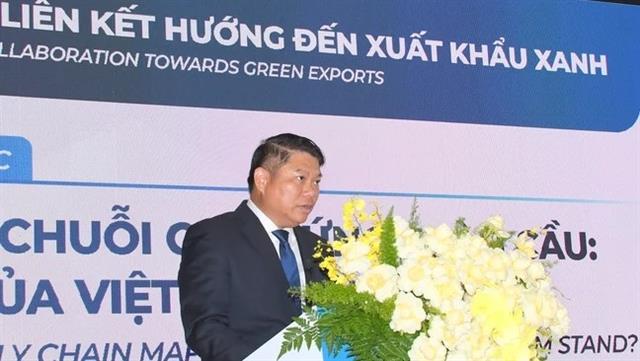
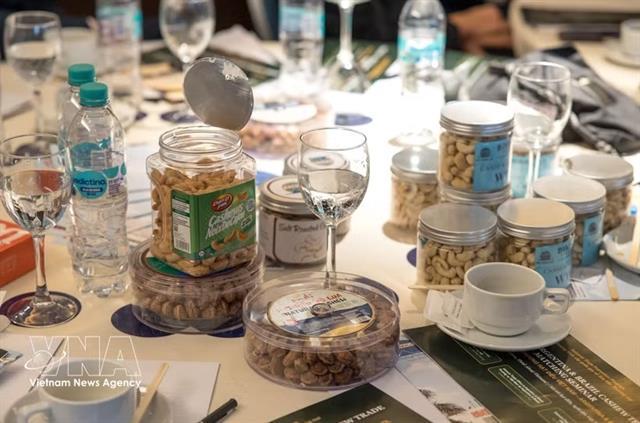
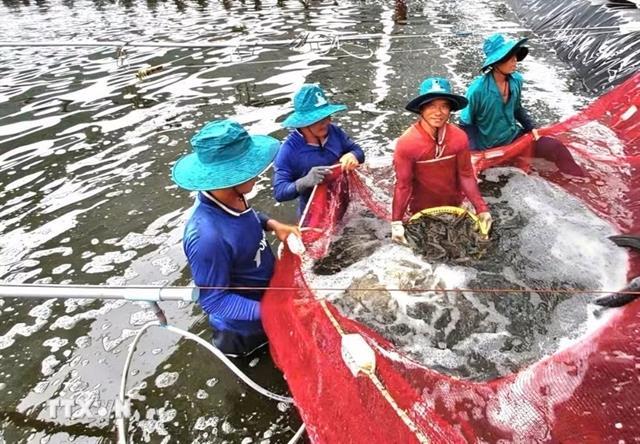
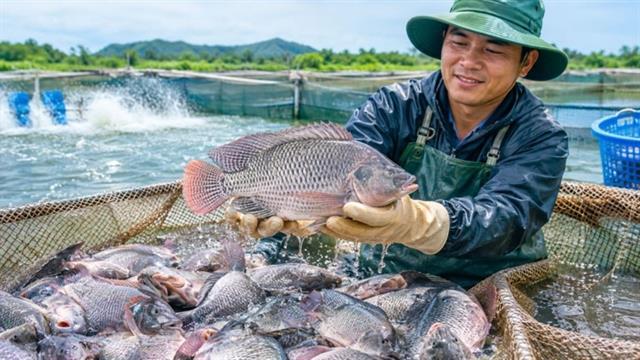
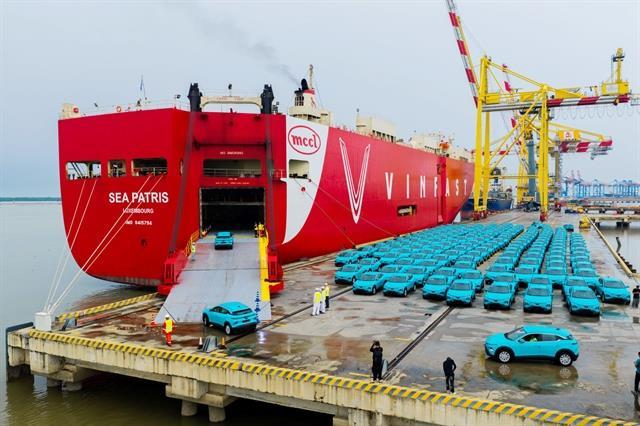
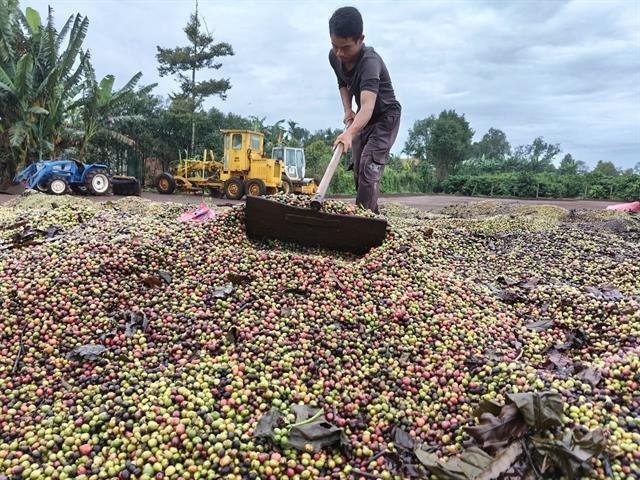
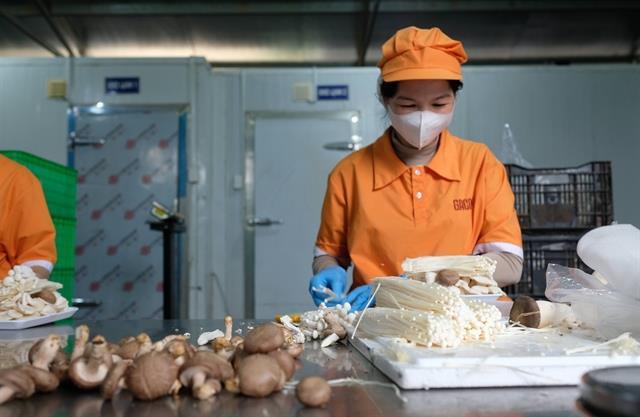
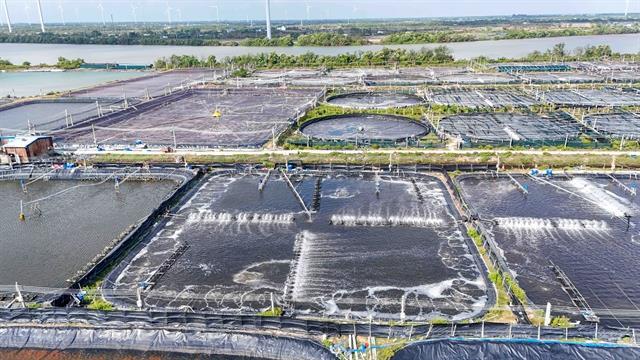
Vietnamese businesses need stronger supply chain links, access to green finance and greater use of technology to meet increasingly stringent environmental requirements and expand exports, speakers said at a forum in HCM City on Thursday.
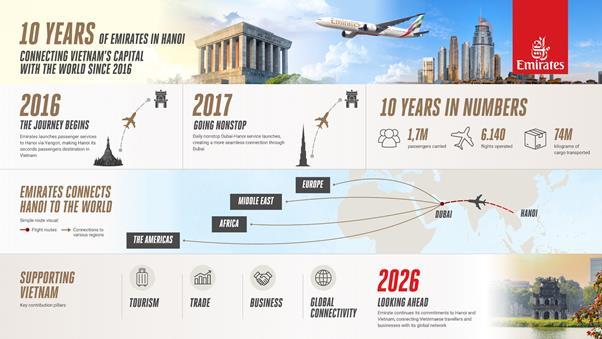
The airline, which began serving Hà Nội as its second passenger destination in Việt Nam after HCM City, has operated more than 6,140 flights on the route over the past decade, transporting about 74 million kilos of cargo in aircraft belly holds.
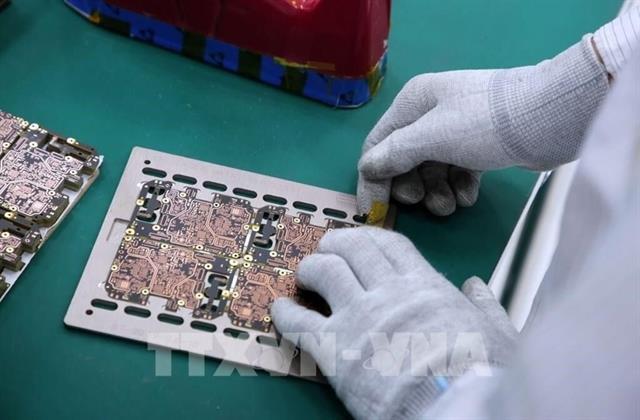
Việt Nam’s semiconductor exports grew at a compounded annual rate of 31.8 per cent between 2006 and 2025, while imports grew by 30 per cent a year during the same period.
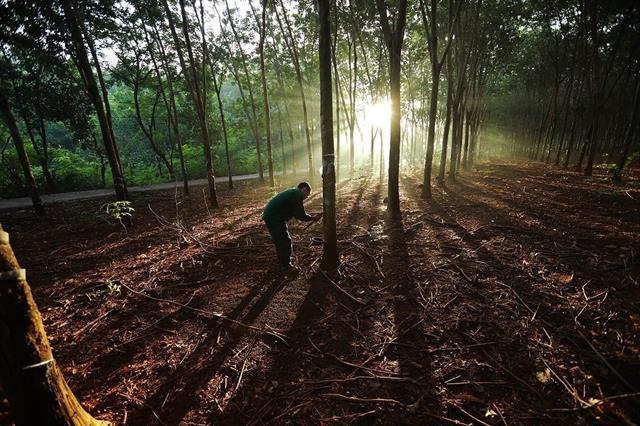
Việt Nam ranks fourth globally in natural rubber latex production, accounting for about 9 per cent, and third in exports, with about 14 per cent, after Thailand and Ivory Coast.
Shipments to the three markets reached a combined US$26.2 billion, or 50.6 per cent of total exports of the product group during the period, according to data from the Vietnam Department of Customs under the Ministry of Finance.
The EU is an important export market for Việt Nam’s agricultural, forestry and fishery products, offering significant advantages under the EU-Vietnam Free Trade Agreement (EVFTA).
Exports reached an estimated $56.3 billion in the first nine months, up 7.8 per cent from a year earlier, while the sector recorded a trade surplus of $16.9 billion, up 7.4 per cent, the ministry said.
Traceability, supply-chain transparency, standards and data are becoming critical to building trust and moving up the value chain, a seminar heard on Tuesday.
The tighter requirements in Indonesia reflect a broader trend in global food markets, where exporters increasingly need to comply simultaneously with standards covering safety, traceability, certification, packaging, emissions and product data.
Competing solely on price is increasingly difficult for shrimp producers, forcing them to find ways to capture more value at the processing and retail stages.